
Confeitaria Nacional: the Lisbon pastry shop open since 1829
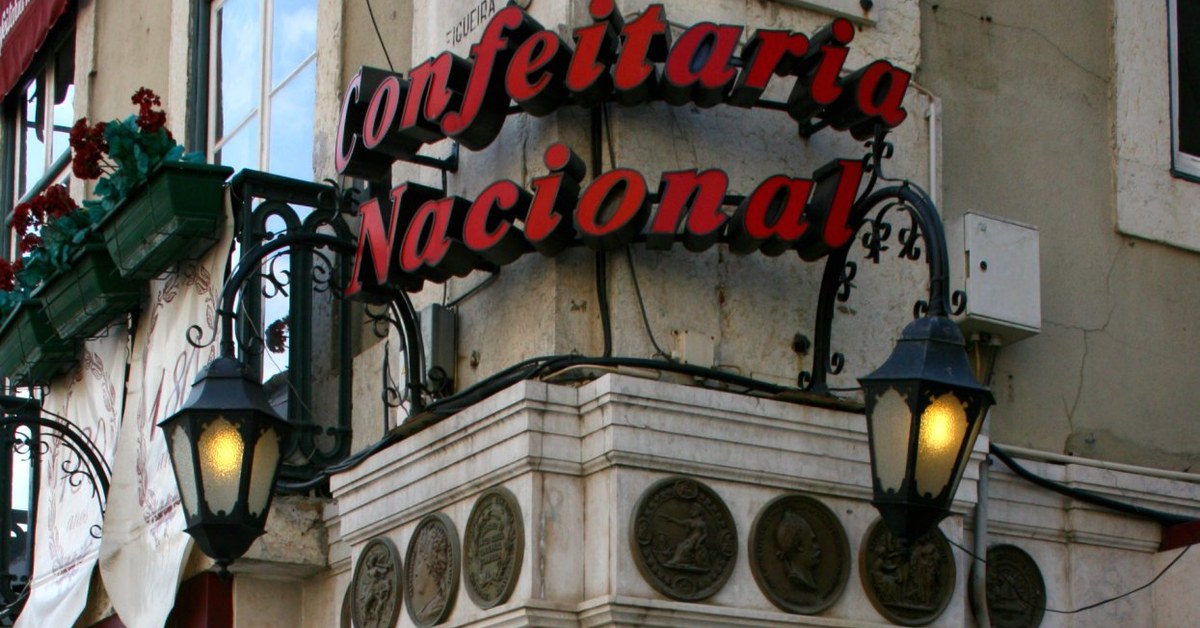
At dusk, on the corner of Praça da Figueira, the red sign lights up before the street lamps do. It throws light on two wrought-iron lanterns, on grey stone worn down by rain, and on a row of bronze medallions bolted into the façade. Most people walk past without looking up. A pity: those medallions are medals, and this house was already selling cakes when Lisbon still burned oil.
On the azulejo panels, in black letters on a cream ground, the shop says what it is: casa fundada em 1829, fabrico próprio. Founded in 1829. Made on the premises. Two lines, and nothing else needs saying.
A man from Trás-os-Montes comes down to Lisbon
The Confeitaria Nacional opened in December 1829. Its founder, Balthazar Roiz Castanheiro, came from Vila Pouca de Aguiar, far to the north, in that Trás-os-Montes of dry mountains and hard winters people rarely leave and return to. He set up in the Baixa Pombalina, the district rebuilt on a strict grid after the 1755 earthquake: straight streets, aligned buildings, sharp corners. The shop took one of those corners, between Praça da Figueira and Rua dos Correeiros.
A confeitaria, back then, was not quite a pastelaria. The word comes from confeitar, to candy: as much work went into sugar, candied fruit, preserves and sugared almonds as into dough. Sugar arrived from the colonies, it was expensive, and a house that made a trade of it spoke first to customers who could afford it. Around 1835 the shop grew, stretching through to Rua dos Correeiros. It has never moved since.
A king's decree, one day in October
On 28 October 1873, King Luís I signed the decree that made Confeitaria Nacional a supplier to the Royal Household. This was not an honour to hang on a wall and forget: it meant standing orders, a specification to meet, and the right to display the title. The house kept it until the republican revolution of 1910 put an end to the monarchy — and, with it, to royal suppliers.
Meanwhile the shop travelled. It showed crystallised fruit and preserves at the Vienna World's Fair in 1873, and brought back a medal from the Paris Universal Exposition of 1878. Those are the awards set in bronze into the corner stonework, at sign height. A very Portuguese way of doing things: you don't tell your history, you bolt it to the façade and let passers-by read it if they care to stop.
The cake brought back from France
It was the founder's son, Balthazar Castanheiro Júnior, who gave the house its best-known page. In the 1870s he brought back from France the recipe for a brioche ring studded with candied and dried fruit. In Portugal it became the bolo-rei, the king's cake, and Confeitaria Nacional was the first establishment in the country to make and sell it.
A century and a half later, the bolo-rei is one of the surest markers of a Portuguese winter: it appears in December, vanishes after Epiphany, and nobody agrees on whether the candied fruit is essential or unbearable. The argument runs straight through families. In its own way, that is proof the recipe took root.
The original formula, the house says, is known to two people only. We are not told which two. Probably just as well.
A ceiling of mirrors
Inside, the room has made no attempt to modernise. Cream walls, mouldings finished in gold, and above all a mirrored ceiling that throws the light of the display cases back onto the counter. You order standing up, as everywhere in Portugal — a bica at the counter, a cake, done in five minutes. Those who want to sit go upstairs, where a tea room has existed since the nineteenth century.
What strikes you in a house of this age is not the decor. It is the continuity: it still belongs to the same family, and it has come through a monarchy, a republic, a dictatorship, fires and building works without changing street corner. Few shops in Europe can say the same.
What that tells us, from Brussels
At Wooly we do not have two centuries behind us. But we think about the trade the same way: we bake on site, every day, in our own kitchens, and we sell what came out of the oven that morning. That is exactly what those two words on the Lisbon façade mean, fabrico próprio — made on the premises. Our pastéis de nata come out of the oven in Etterbeek, Stockel, Uccle and Waterloo, and are eaten within the hour, still warm, just as they are there. You can order online or drop into one of our shops in Brussels: rue des Tongres in Etterbeek, a short walk from place Dumon in Stockel, in Uccle and in Waterloo.
And if you ever walk through the Baixa, take the detour past Praça da Figueira. Look up at the medallions. They have been there longer than anyone else on the street.
Read on: the story of the pastel de nata, which also begins in nineteenth-century Portugal.
Photo: Confeitaria Nacional, Praça da Figueira, Lisboa, by Juan Antonio F. Segal, licensed CC BY 2.0.
Read next
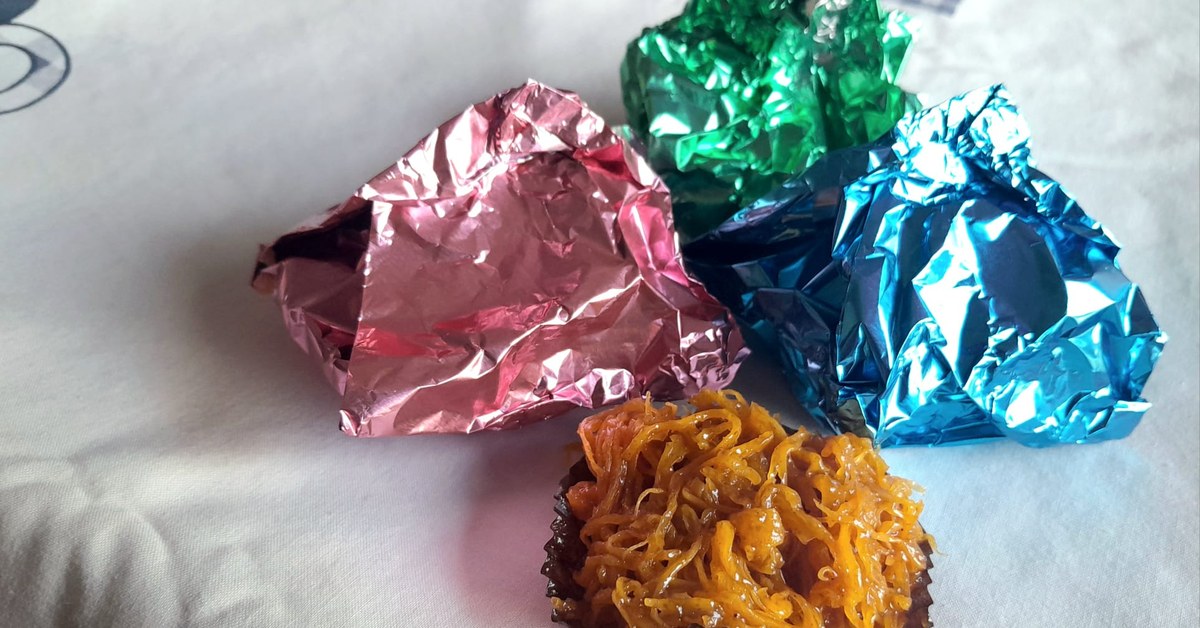
Dom Rodrigo: the Algarve sweet you unwrap like a candy
A rustle first. You pull at two corners of metallic paper, the golden ball appears, sticky, dusted with cinnamon. Dom…
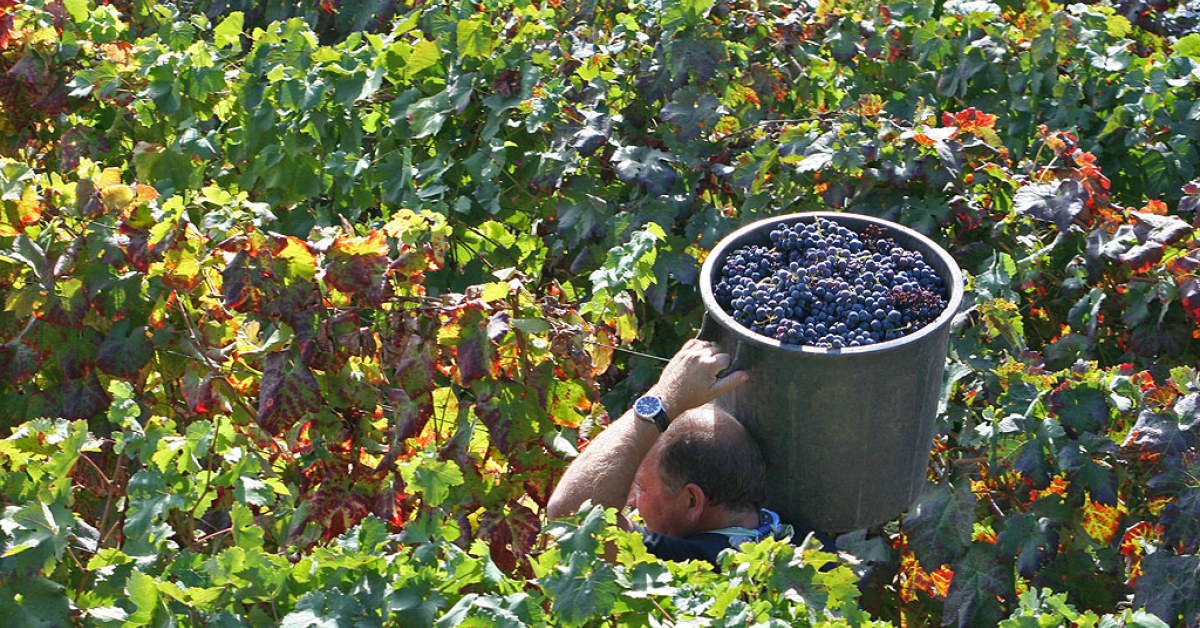
Uvada: the harvest sweet they boiled at night, without sugar
There is no sugar in uvada. Not a gram. This Portuguese harvest sweet draws all of its sweetness from the grape itself,…
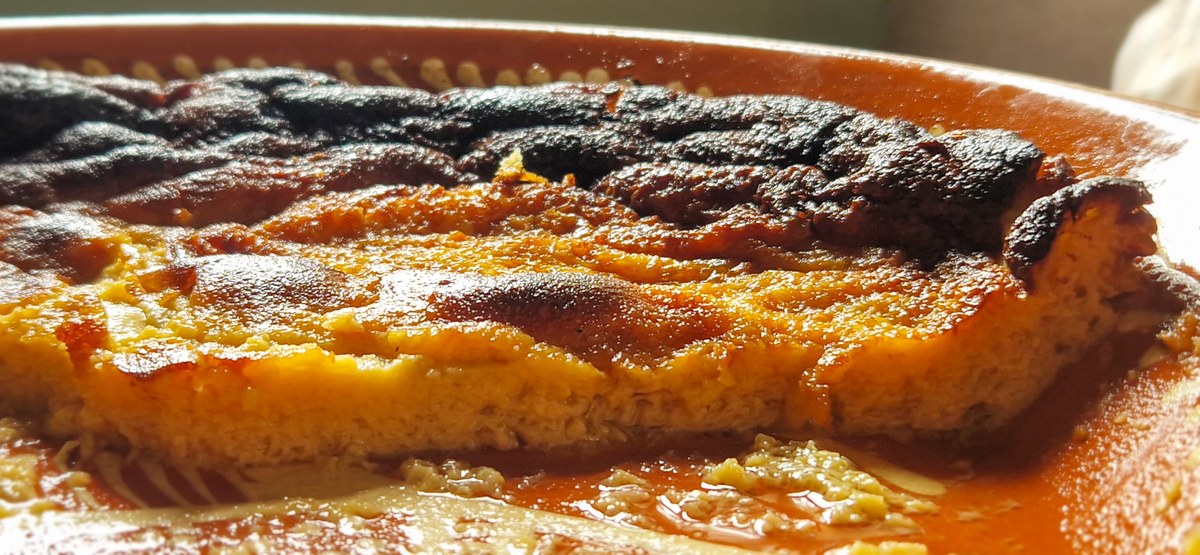
Tigelada: the dessert baked in the village bread oven, after the bread
The oven has just given up its bread. The vault is still glowing, the embers pushed to the back: that exact moment is…
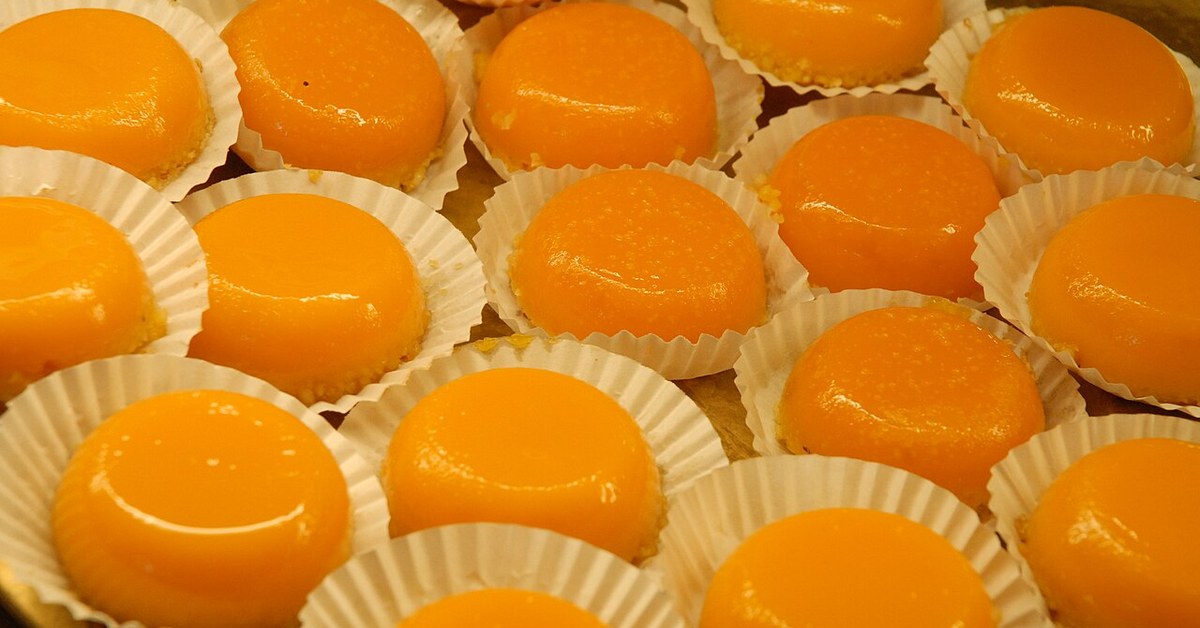
Brisas do Lis: the Leiria cake that had to change its name
They were called the little kisses of the Lis, until the jokes at the counter forced Leiria to find another name. The…
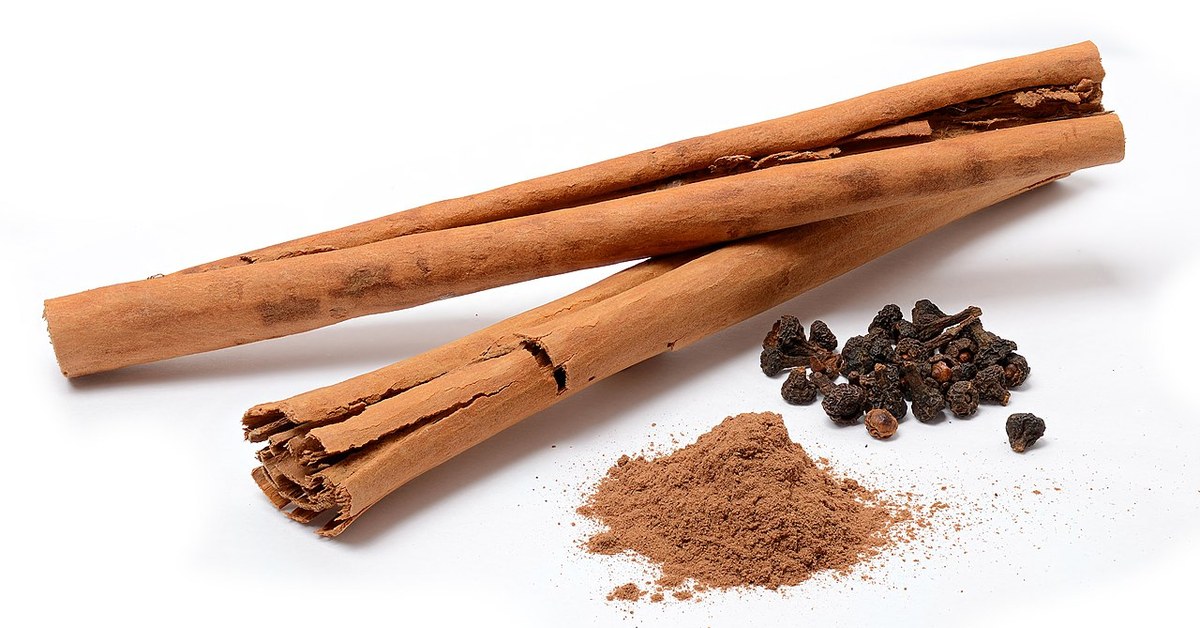
Ceylon cinnamon: the bark the Portuguese found by accident
On a pastel de nata that is still warm, it comes last, in a gesture lasting one second. Yet this brown powder has…
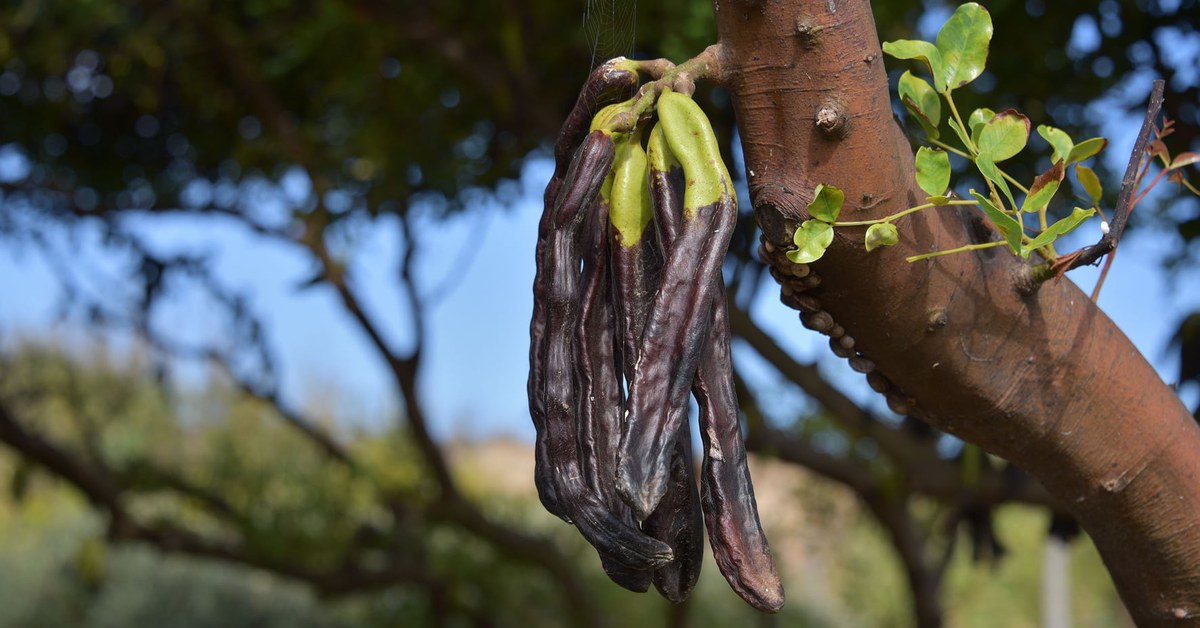
Alfarroba: the Algarve's black gold, harvested with a long pole
In late August, in the hills behind the Algarve coast, you hear it long before you see anything: a dry, repeated…
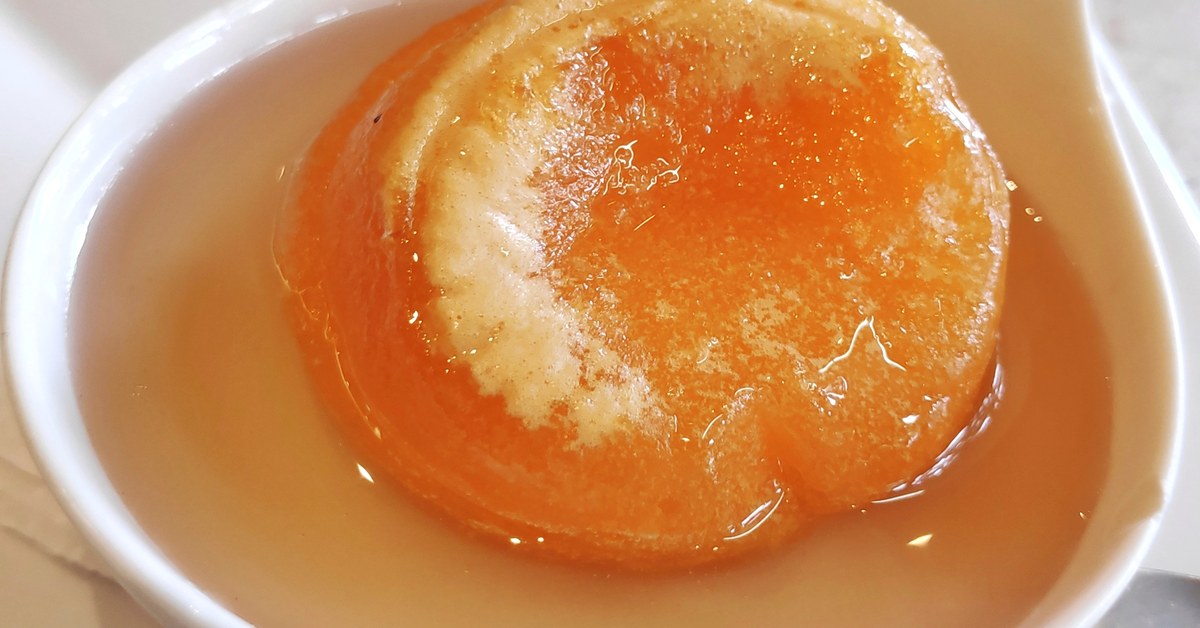
Papos de anjo: the egg-yolk cake that is cooked twice
It leaves the oven baked, golden and domed — and yet the work is not finished. The papo de anjo goes straight into a…
.jpg)
Jesuíta: the crackling triangle Santo Tirso guards so fiercely
Some pastries announce themselves by sound. The jesuíta of Santo Tirso starts with a thin crust of sugar that gives way…
Find our artisan pastries in our Brussels stores or order online.
Order now Our foodtruck for your events Our stores